Sleeping After Shoulder Surgery: What Actually Works (And What Doesn’t)
So you’re having shoulder surgery, or maybe you just had it and you’re realizing that sleeping is now your biggest enemy. I get it. Nobody really prepares you for how awful those first few weeks are going to be.
Here’s the thing everyone told me but I didn’t really understand until I lived it: how you sleep matters way more than you think. Not just for comfort (though honestly, that’s reason enough), but for actually healing properly.
Why Your Shoulder Needs to Be Propped Up
Your surgeon probably mentioned something about “elevation” during that post-op appointment when you were still pretty drugged up. What they meant was this: your shoulder needs to be higher than your heart while you’re sleeping.
I know, I know – it sounds uncomfortable as hell. But there’s actually solid science behind it. When your shoulder is elevated at about a 45-degree angle, gravity helps drain all that swelling and inflammation. Think of it like… well, like when you prop up a sprained ankle, except this is your whole upper body.
Without proper elevation, all that fluid just sits there making everything hurt worse and heal slower. I learned this the hard way during my first surgery when I tried to tough it out on regular pillows. Spoiler alert: it didn’t work.
The Wedge Pillow Thing – Does It Actually Help?
Short answer: yes, but not all wedge pillows are created equal.
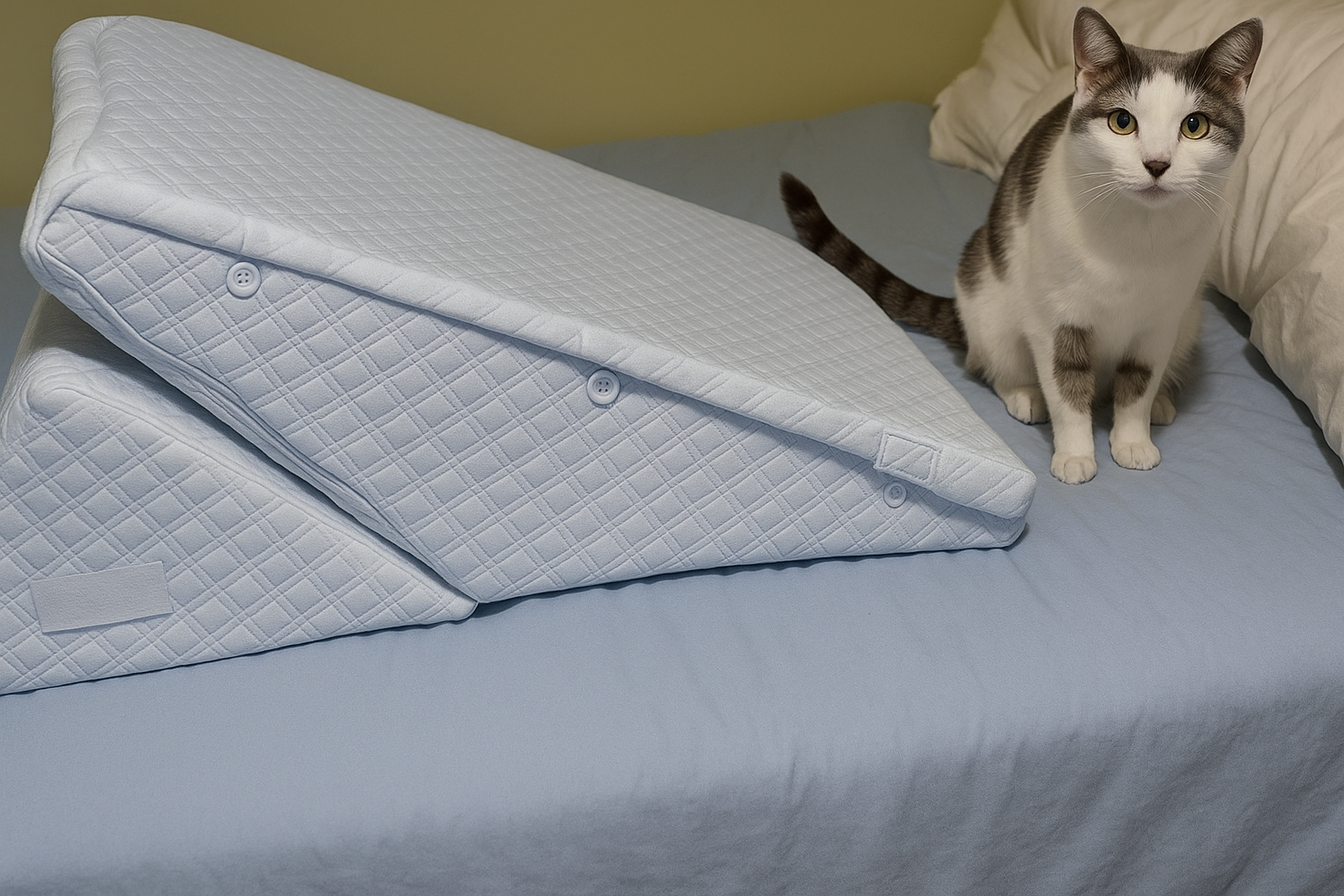
I went through three different ones before finding something that actually worked. The first was too soft and I’d sink into it. The second was like sleeping on a brick. The third one – that’s when I finally got some relief.
What you’re looking for:
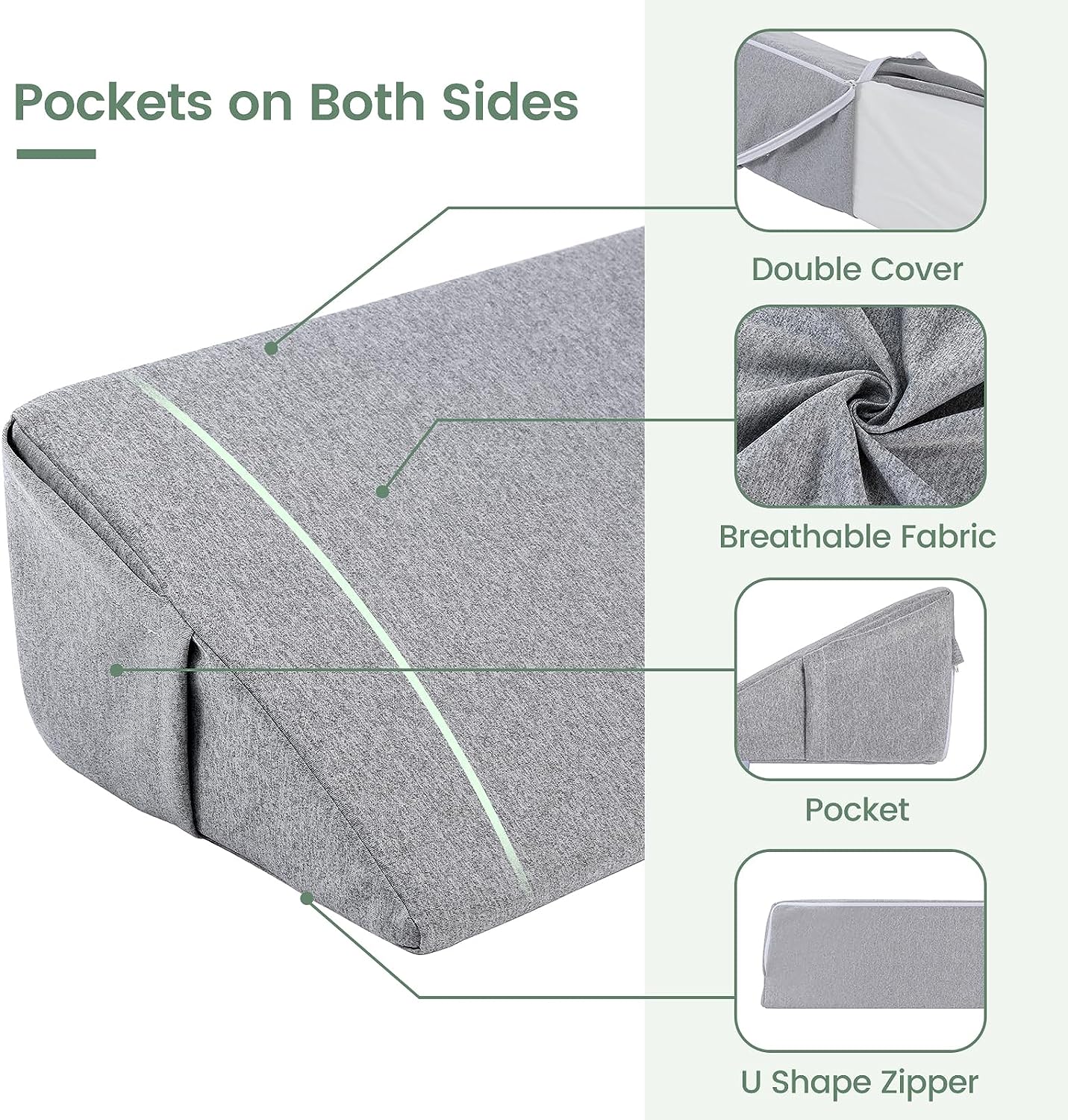
- Memory foam that doesn’t compress into nothing after a week
- The right angle (around 45 degrees – steeper feels awful, less steep doesn’t help)
- Something wide enough that you’re not constantly rolling off the edge
- A washable cover because, trust me, you’ll want to wash it
The FlexiComfort one I ended up with has these little channels for your arms, which sounds gimmicky but actually makes a huge difference. Your affected arm has somewhere to go instead of just hanging there awkwardly.
Getting Comfortable (Or As Comfortable As Possible)
I’m not gonna lie – the first week sucks no matter what you do. But here are some things that helped me get through it:
Setting up your space: Put everything you might need within arm’s reach. Water, meds, phone charger, tissues. You don’t want to be reaching for stuff at 2 AM.
Getting into position: This took me a few tries to figure out. Sit on the edge of your bed next to where the pillow is, then lean back slowly using your good arm. Let your bad shoulder just settle where it wants to go. Don’t force it.
If you have a sling: Keep wearing it, even though it’s annoying. I tried sleeping without mine after a few days thinking I’d be fine. Woke up in agony because I’d moved wrong in my sleep.
Pain Management Reality Check
Your pain meds are your friend right now. I know some people worry about taking them, but this isn’t the time to be a hero. Take them as prescribed – don’t wait until you’re already hurting.
Ice helps too, but be smart about it. 15-20 minutes max with a towel between the ice and your skin. I gave myself a minor ice burn the first week because I was so desperate for relief.
What About Your Partner?
If you share a bed, this is going to be weird for both of you for a while. The wedge pillow takes up space, you might make noise when you’re uncomfortable, and you definitely can’t cuddle normally.
Talk about it beforehand. Maybe they sleep in the guest room for the first week or two – it’s not permanent, and honestly, you’ll both sleep better. Don’t feel guilty about it.
The Recliner Debate
Some people swear by sleeping in a recliner instead. I tried it for a few nights and it was… okay. Better than being flat, but not great for actually sleeping. Plus my back started hurting from the weird position.
If you have a really nice recliner, it might work for the first week when getting in and out of bed is hardest. But for the long haul, I think the wedge pillow is better.
When Things Go Wrong
Call your doctor if:
- Pain is getting worse instead of better after a few days
- You notice any weird swelling, redness, or warmth around the incision
- Your fingers start feeling numb or tingly
- You just feel like something isn’t right
Trust your gut. You know your body better than anyone else.
The Weird Bonus Benefits
Here’s something nobody told me: the wedge pillow actually helped with my acid reflux too. Apparently sleeping elevated helps with that. Who knew?
My partner said I stopped snoring as much too, which was an unexpected win for both of us.
When Can You Sleep Normal Again?
This varies a lot depending on what surgery you had. My doctor said 6-8 weeks, but I started gradually lowering the elevation around week 4 when things felt better.
Don’t rush it though. I tried to go back to sleeping flat too early once and had a really rough night. Your shoulder will let you know when it’s ready.
The Bottom Line
Shoulder surgery recovery is rough, and sleeping is probably going to be the hardest part for the first month or so. A good wedge pillow doesn’t make it easy, but it makes it bearable.
Is it worth spending money on a decent one? In my experience, absolutely. You’re going to be using it every night for weeks. Might as well be as comfortable as possible.
And remember – this is temporary. It feels eternal when you’re in the middle of it, but you will sleep normally again. Promise.
Quick FAQ
Can I sleep on my side? Not the affected side, not for a while. Your doctor will tell you when it’s okay, usually around 6-8 weeks.
What if I’m a stomach sleeper? Yeah, that’s not happening for a while. Sorry. This is probably going to be the hardest adjustment.
How long do I really need to use this thing? Follow your doctor’s timeline, but most people need elevation for at least 4-6 weeks. Some longer depending on the surgery.
Will insurance cover a wedge pillow? Probably not, but you can ask. Some HSA/FSA accounts will cover it if you get a receipt.
What about traveling? Don’t plan any trips for the first few weeks. If you absolutely have to travel later in recovery, these pillows are actually pretty portable.
Look, I’m not a doctor, just someone who’s been through this. Every recovery is different, but I hope sharing what worked for me helps make yours a little easier. Take care of yourself.